

Identity and Representation Matters in Therapy




Identity matters everywhere, but especially in therapy.
Therapy is getting more attention in social media but the previous stereotypes of a “crazy person” or someone getting hospitalized did not help the image of what being in therapy is like. Therapy is for everyone.
Therapy to focus on identity can include:
-

First Generation Students
Being the first in your family to attend higher education and work in a professional field is so stressful and comes with so much pressure!
-

Latino Clients
You want a therapist that gets it. The family dynamics, the food, the traditions, the music, and the language is so much easier to understand with a Latina therapist.
-

LGBTQ+ Clients
Gender identity and sexual orientation can be tricky to talk about if we come from traditional, conservative families.

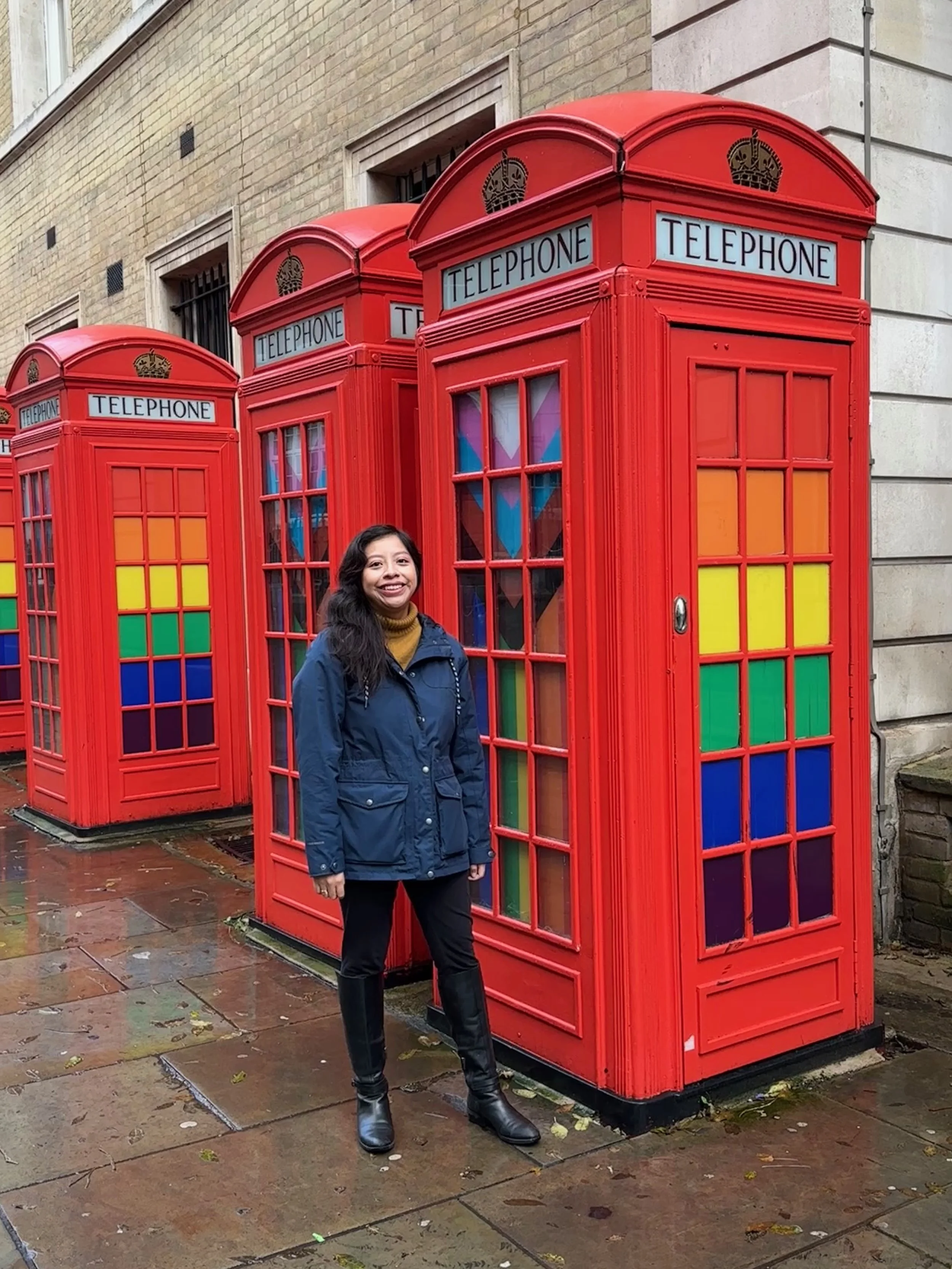

My identities are why people gravitate toward me.
Latina therapist here. My Mexican background gives me a unique perspective for addressing the stigma around therapy.
We are taught by our moms and families that we are depressed because we are bored, we scroll too much, or we listen to sad music. “Therapy and medication are not helpful - just clean something, think happy thoughts, talk to your mom!” Our families mean well but don’t always know the best way to approach some of these things. I get it and sometimes mom is right but sometimes we need a different way.


Lovingly LGBTQ+ Affiliated
Being a member of this amazing community is a big part of who you are or maybe you are not sure where you fit in. There is a spectrum and you don’t have to be boxed in. Maybe being queer is a tiny part of everything else that makes you unique.
Being LGBTQ+ can be a reason why people seek therapy.
Being gay will not be the main focus of therapy if you don’t want it to be! Simply seeking therapy for anything else is perfectly acceptable.

First Generation Students: Paving the Path
If you are a first-generation student, you have done a lot to get where you are.
You are navigating so many new systems for the first time: the Common App, FAFSA, and what is a Roth IRA? In therapy, we can go over the stress of these things and learn how to forge these new paths together. That includes being the first in your family to go to therapy!



Chicago Therapy for Identity Exploration
Breaking Barriers: Unlearn the Past
Sometimes people come to therapy because they feel so stuck with their families and they want to be different. They want to break past cycles and learn about generational trauma. You can be the one in your family to do it!
You first have to learn the patterns through therapy to break them.
In sessions we can review what has happened to learn from it and start a healthier approach. For example, we are often told to have boundaries. It takes a lot to set a boundary and enforce it. Boundaries as a buzzword gets thrown around a lot! We will learn what it actually means because it is so helpful when we do! I want to give you the appropriate language and tools so you can communicate to others what you need.